

DPP-ready product data: how your PIM handles it (and where AI helps)
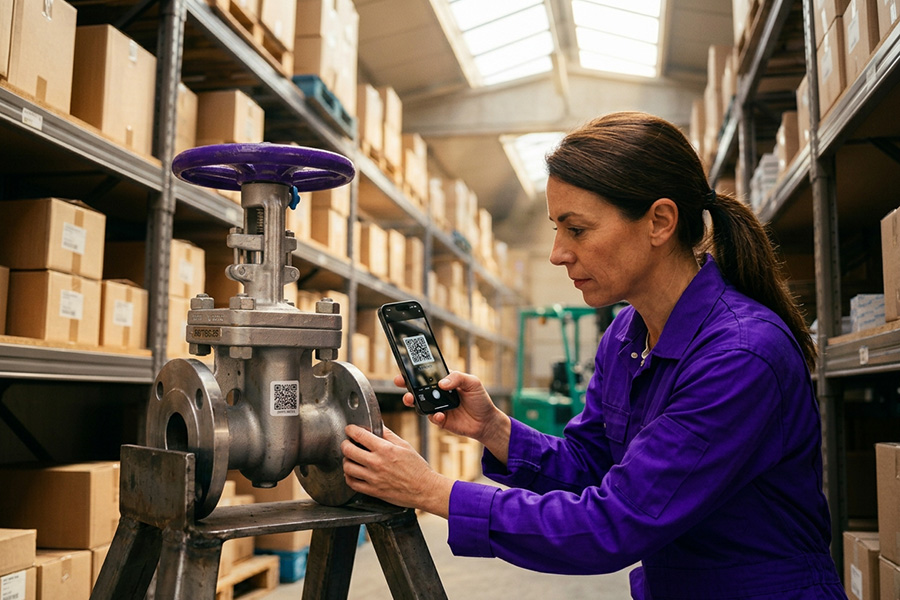
A wholesaler with five thousand SKUs is about to face a DPP obligation. Material composition, repair instructions, the origin of raw materials: all of it data that needs to be structured somewhere, per product. Handle that manually and you're busy for years. Handle it through a PIM system built for the job, and you're not.
Your PIM is the starting point
A DPP isn't a separate document you create on the side. It's a view of data that comes from one source. Work with scattered Excel files, an aging ERP, and knowledge that mostly lives with one colleague, and every DPP update becomes a manual job. Change a material composition, and you have to update it everywhere separately.
In a PIM system, that happens once. Change an attribute, and the update shows up automatically on every channel where the DPP is displayed.
What most companies haven't structured yet
Technical specifications are usually already in decent shape in a PIM. The data a DPP asks for is often still missing entirely, or buried in a supplier's PDF:
- Material composition and origin of raw materials
- Production and assembly information
- CO2 impact and recyclability
- Repair and maintenance instructions
- End-of-life information
Five thousand products times five missing fields is twenty-five thousand data points someone has to look up, fill in, and check. That's where most preparation projects stall: not on the technology, on the volume.
Where AI takes over the work
This is where Fonda's PIM module stands apart. Instead of filling in every field by hand, we use AI to read existing product information and turn it into the structured fields a DPP requires.
In practice: give it a technical spec sheet or supplier document with material information, and the AI pulls that data out and places it in the right attribute. Missing a repair instruction but the core information already sits in a product description? The AI drafts a first version for your team to check and adjust. That turns the work from "fill in twenty-five thousand fields yourself" into "check twenty-five thousand fields." A third of the time, sometimes less, depending on how much source data already exists somewhere.
Important: the AI fills gaps based on what you already have, it doesn't invent sustainability claims. Sensitive fields like CO2 figures still require a human check, and that's exactly how it's set up.
The link to GS1 Digital Link
Once your data model is in place, every product needs to be traceable to a scannable, unique identifier. That runs through GS1 Digital Link: your existing GTIN gets converted into a structured web URL that both people and scanners can read via a QR code.
In practice, this means every product gets a GTIN linked to its PIM record, your system automatically generates a Digital Link URL for it, and that URL points to a DPP view that reads live from your PIM. No static page you have to maintain separately.
Fonda is a GS1 Solution Partner. We set up this link ourselves, from GTIN assignment to the resolver that decides where a scanned code leads.
Start now, not in 2027
Batteries are the first category with a hard deadline. Textiles and electronics follow shortly after. Companies that structure their product data now will only need to fill in the last fields later, instead of starting from zero.
Want to know how much of your product data is already DPP-ready? We run a free data scan of your current PIM or Excel files and show you exactly what's missing.
How DPP-ready is your product data?
Our free report includes a five-question self-assessment and ten concrete steps. The Digital Product Passport is one of them. The report is in Dutch.
Start with the basics.
Build from there.
Fonda Basic is free and immediately gives you a central place for all your product data and digital assets. You can take the step to a complete B2B webshop with customer-specific prices when you are ready.
Specifically built for B2B SMEs with 20–300 employees · Support based in Ghent